
- English
- 简体中文
- Español
- Português
- русский
- Français
- 日本語
- Deutsch
- tiếng Việt
- Italiano
- Nederlands
- ภาษาไทย
- Polski
- 한국어
- Svenska
- magyar
- Malay
- বাংলা ভাষার
- Dansk
- Suomi
- हिन्दी
- Pilipino
- Türkçe
- Gaeilge
- العربية
- Indonesia
- Norsk
- تمل
- český
- ελληνικά
- український
- Javanese
- فارسی
- தமிழ்
- తెలుగు
- नेपाली
- Burmese
- български
- ລາວ
- Latine
- Қазақша
- Euskal
- Azərbaycan
- Slovenský jazyk
- Македонски
- Lietuvos
- Eesti Keel
- Română
- Slovenski
- मराठी


Featured Products



About Us
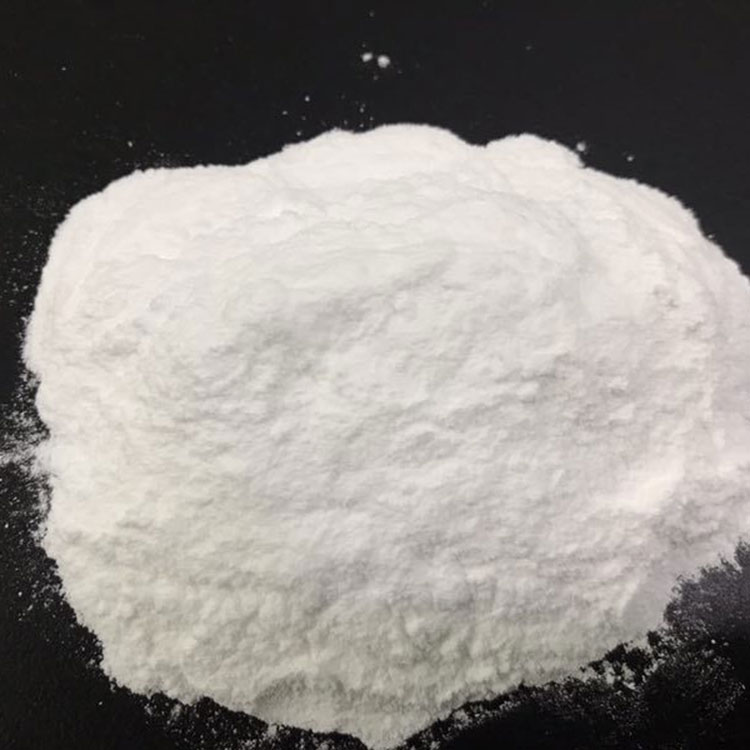
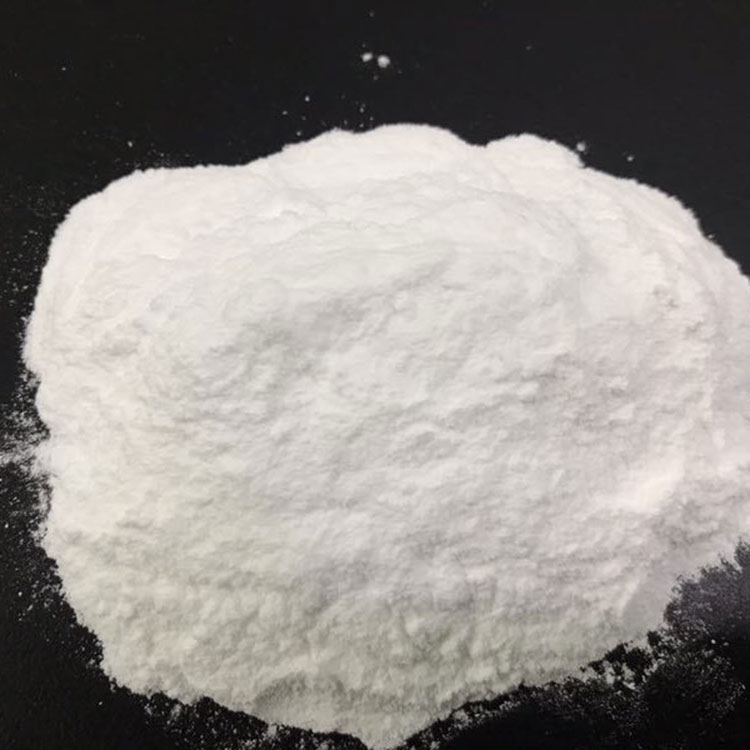
Amhwa Biopharm, a technological innovation-based company founded in 2010 with specialization in development and production of bioactives, APIs, medical cosmetology terminals and functional skin care cosmetics, has been providing quality products and services in the fields of medicine, skin care, food and agriculture worldwide for more than ten years.
It has developed into a leading global supplier of hyaluronic acid relying on its technological innovation and superior product quality. It was also awarded the honorary titles of high-tech enterprise, enterprises with specialization, refinement, specialization and novelty, gazelle enterprise and technology-based enterprise.
It has developed into a leading global supplier of hyaluronic acid relying on its technological innovation and superior product quality. It was also awarded the honorary titles of high-tech enterprise, enterprises with specialization, refinement, specialization and novelty, gazelle enterprise and technology-based enterprise.

New Products



News

Pharma and Healthcare Industry Trends: How Technology and Manufacturing Innovation Are Reshaping Modern Medical Solutions
The Pharma and Healthcare industry is one of the most important sectors closely connected with human health and quality of life. Unlike many traditional industries, pharmaceutical and healthcare products must meet extremely strict requirements in terms of safety, quality control, regulatory compliance, and reliability.
Read More

Applications and Selection of Sodium Hyaluronate Food Grade.
Sodium Hyaluronate Food Grade (SH), commonly known as hyaluronic acid in the food industry, has gradually moved from the "backstage" to the "front stage" in food applications. Since China approved its use in ordinary foods in 2021, products containing it—beverages, candies, and dairy items—have emerged rapidly across the market.
Read More

How Does Modern Food Nutrition Redefine Human Wellness?
This in-depth guide explores the evolving landscape of food nutrition, focusing on functional ingredients, bioavailability, and science-backed formulations. We decode how molecules like Hyaluronic Acid (food grade) contribute to systemic health, examine quality certifications (ISO, HACCP, Kosher), and provide actionable insights for formulators, brands, and health enthusiasts.
Read More

Global Medical Grade Sodium Hyaluronate Market Shifts Toward High Purity, Low Endotoxin Standards
As regenerative medicine and advanced wound care continue to expand, the demand for Medical Grade Sodium Hyaluronate (HA) is undergoing a significant quality upgrade. Beyond traditional orthopedics and ophthalmology, emerging applications in drug delivery systems, tissue engineering, and advanced wound healing are driving increasingly stringent regulatory requirements. Globally, manufacturers are prioritizing high purity, low bacterial endotoxin levels , and full ICH Q7 compliance to meet the rigorous standards of the US FDA, EU CE, and other international regulatory bodies.
Read More

How Does Cross-Linked Hyaluronic Acid Improve Stability and Performance in Advanced Formulations?
Cross-Linked Hyaluronic Acid has become a crucial ingredient in modern biomedical, pharmaceutical, and cosmetic formulations due to its enhanced stability, longer residence time, and improved structural integrity compared with traditional hyaluronic acid. Many manufacturers face challenges such as rapid degradation, limited moisture retention, or short-lasting product performance when using standard hyaluronic acid. Cross-linking technology addresses these issues by forming a three-dimensional molecular network that significantly improves durability and functional performance.
Read More

Anhua Bio Launches PDRN Product: Reconstructing the Global Supply Chain of Tissue Regeneration Raw Materials with Synthetic Biology
Read More